

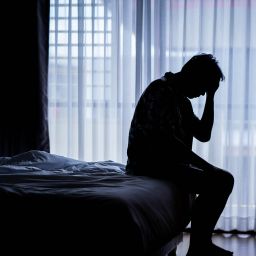
- Sleep and testosterone are closely connected.
- Poor sleep may interfere with normal testosterone patterns, while low testosterone symptoms, disrupted recovery, stress, and sleep disorders like obstructive sleep apnea can make restorative rest more difficult.
- If you’re experiencing low energy, brain fog, low libido, mood changes, or reduced workout recovery, it may be worth looking at sleep quality and hormone health together.
- If you’re struggling with poor sleep, low energy, brain fog, low libido, stubborn body composition changes, or reduced workout recovery, it’s easy to wonder whether sleep is causing low testosterone—or low testosterone is causing sleep problems – In reality, it’s often both.
- Sleep and testosterone are tightly connected: quality sleep supports healthy testosterone production, and hormonal disruption can feed back into sleep quality, mood, and resilience. Add in common “bridge conditions” like obstructive sleep apnea, and it becomes a loop that can quietly worsen over time.
- This article breaks down the science in a practical way—and explains what to do next if you suspect low testosterone and sleep issues are linked.
Medical disclaimer: This blog is educational and not medical advice. Diagnosis and treatment require a consultation, appropriate lab testing, and medical history review.
Why Sleep Matters for Testosterone Production
Testosterone doesn’t rise randomly—it follows a daily rhythm. Research shows the nighttime rise in testosterone is strongly sleep-dependent, not just “circadian clock” dependent, and typically requires at least about three hours of sleep with normal sleep architecture.
REM Sleep Matters More Than Most People Realize
Sleep fragmentation—especially when it disrupts REM—can blunt the normal nighttime testosterone rise. In one study, fragmented sleep reduced the nocturnal testosterone rise, particularly in people who didn’t reach REM sleep.
Takeaway: If your sleep is short, fragmented, or inconsistent, your hormones may not get the full chance to follow their normal overnight rhythm.
How Poor Sleep Can Contribute to Low Testosterone
Short Sleep Can Measurably Reduce Testosterone
In a well-known clinical study, restricting sleep to five hours per night for one week decreased daytime testosterone levels by about 10%–15% in healthy young men. Read the JAMA study.
Total Sleep Deprivation May Also Reduce Testosterone
A systematic review and meta-analysis found that total sleep deprivation, defined as 24 hours or more awake, was associated with reduced male testosterone levels.
“Not Enough Hours” Can Become “Not Enough Hormone Signal”
When sleep is consistently shortened, the body may not complete the normal hormonal pattern that supports energy, recovery, and sexual wellness—so symptoms can accumulate even when you’re “doing everything else right.”
Can Low Testosterone Make Sleep Problems Worse?
This is where it gets interesting—and where many people get stuck.
Low testosterone is associated with changes in well-being and vigor, and sleep disturbances are commonly present in men being evaluated for testosterone deficiency.
But it’s not always a simple “low T causes insomnia” story. Often, the relationship is indirect:
- Low testosterone may worsen fatigue, mood, and recovery, which can disrupt sleep routines.
- Underlying issues such as stress, weight changes, medications, alcohol, and overtraining can affect both sleep and testosterone.
- Sleep disorders, especially sleep apnea, can drive both symptoms and lab changes.
Takeaway: If you’re treating one side of the equation—sleep or hormones—but ignoring the other, results may be incomplete.
Sleep Apnea, Low Testosterone, and the Cycle Many Men Miss
Obstructive sleep apnea, or OSA, is one of the most common culprits behind the “low testosterone + poor sleep” loop.
OSA can cause repeated nighttime breathing interruptions that fragment sleep—often without you realizing it. Common symptoms include excessive daytime sleepiness, trouble focusing, mood changes, and decreased interest in sex.
Research and reviews consistently show an association between OSA and lower testosterone in many men. Read a review on obstructive sleep apnea and testosterone.
Does CPAP “Fix” Testosterone?
Evidence is mixed. A meta-analysis found CPAP had a neutral effect on serum total testosterone overall, suggesting that some patients may need additional strategies beyond CPAP if low testosterone is confirmed.
Important Note If You’re Considering Testosterone Therapy
High-dose testosterone has been shown to worsen sleep apnea and shorten sleep in older men in a clinical study, and medical reviews caution that testosterone therapy can aggravate OSA in some contexts—especially if OSA is untreated or severe.
Practical point: If you snore loudly, wake up gasping, have morning headaches, or feel unreasonably tired during the day, it’s worth getting screened for OSA before assuming it’s “just low T.”
When to Test Testosterone Levels for More Accurate Results
If sleep is poor, testosterone testing can be misleading—because levels vary by time of day and sleep quality.
The Evidence-Based Starting Point
The Endocrine Society recommends diagnosing testosterone deficiency only when symptoms and signs are present and testosterone is unequivocally and consistently low. They also recommend measuring fasting morning total testosterone and repeating the morning test to confirm low levels. Review the Endocrine Society guideline.
Tips to Make Your Lab Results More Meaningful
- Test in the morning, commonly when levels are highest.
- Avoid testing immediately after several nights of severely shortened sleep if possible.
- Tell your provider about shift work, insomnia, or suspected sleep apnea, because these can influence interpretation.
Your provider may also assess free testosterone, SHBG, and other labs depending on your situation.
How to Support Sleep and Hormone Health Naturally
1. Prioritize 7+ Hours of Sleep
Adults are generally recommended to get at least seven hours of sleep per night. View the AASM and Sleep Research Society sleep recommendation.
If you’re consistently under seven hours, improving sleep may be one of the most direct ways to support hormone health.
2. Keep a Consistent Sleep-Wake Rhythm
- Keep a consistent sleep and wake time, even on weekends.
- Reduce late-night alcohol, which can fragment sleep.
- Keep the room cool and dark.
- Limit late caffeine.
- Avoid intense late-night training if it spikes arousal.
3. Screen for Sleep Apnea Symptoms
Consider evaluation if you have:
- Loud snoring or witnessed pauses in breathing.
- Waking up choking or gasping.
- Morning headaches or dry mouth.
- Daytime sleepiness or focus issues.
4. Address the Middle Factors
Weight changes, chronic stress, and poor recovery can contribute to both low testosterone symptoms and poor sleep. A high-quality plan addresses the full picture—not just a single hormone. If body composition is part of the concern, you may also want to explore medical weight loss support in Cleveland.
When to Talk to a Hormone Optimization Provider
Book an evaluation if:
- You have persistent low libido, fatigue, low motivation, decreased performance, and poor sleep.
- You’ve cleaned up sleep habits but still feel “off.”
- You suspect sleep apnea, especially if you experience snoring and daytime sleepiness.
Frequently Asked Questions About Low Testosterone and Sleep
Can poor sleep lower testosterone?
Research suggests that short or fragmented sleep may interfere with normal testosterone patterns. In one clinical study, one week of sleep restriction was associated with a 10%–15% decrease in daytime testosterone levels in healthy young men.
Can low testosterone cause insomnia?
Low testosterone may not directly cause insomnia in every case. However, symptoms associated with low testosterone—such as fatigue, mood changes, reduced motivation, and poor recovery—may affect daily routines and sleep quality.
What is the connection between sleep apnea and low testosterone?
Obstructive sleep apnea can fragment sleep and reduce sleep quality. Many men with sleep apnea also experience symptoms that overlap with low testosterone, including fatigue, brain fog, mood changes, and reduced libido.
When should testosterone levels be tested?
Testosterone is commonly tested in the morning, when levels are often highest. Clinical guidance also recommends confirming low testosterone with repeat morning testing, along with a review of symptoms and medical history.
Does NuIQ offer hormone optimization in Cleveland?
Yes. NuIQ Wellness Lounge & Med Spa offers hormone optimization support in Cleveland through a personalized, data-informed approach that considers symptoms, lifestyle, sleep quality, and lab results together.
Hormone Optimization and BHRT Support in Cleveland at NuIQ
At NuIQ Wellness Lounge & Med Spa, we approach hormone concerns with a patient-first, data-driven process—looking at symptoms, lifestyle, sleep quality, and labs together.
If appropriate, we’ll discuss personalized options that may include lifestyle optimization, targeted support, and BHRT and hormone optimization in Cleveland.
If you suspect poor sleep and low testosterone may be connected, we invite you to begin with a thoughtful evaluation and provider-guided next steps.
Call: 216-377-1778
Location: 5450 Detroit Ave, Cleveland, OH 44102
Book Online: Schedule an appointment